

Store window displays are one of the most underused tools in retail. A well-built display brings in foot traffic, communicates brand identity, and moves product without a word spoken. In the sections below, we cover the main types of store window displays, creative ideas worth borrowing, and how to measure whether your display is actually working.
Key Takeaways:
- A store window display is your first sales tool. It works before a customer ever steps inside.
- The best displays have one clear focal point, a defined theme, and lighting that does the heavy lifting.
- Foot traffic alone does not equal success. Track sales of featured products to know if your display is actually converting.
What Are Store Window Displays?
A store window display is the visual arrangement of products, props, signage, and lighting set up in a retail storefront's window to attract passersby and draw them inside. Strong window displays are a core part of a broader retail merchandising strategy.
1. Open Window Displays

Open window displays have no backdrop or back wall, so passersby can see straight into the store. The in-store atmosphere becomes part of the display itself. Retailers with strong interior visual merchandising benefit most from the format because the interior reinforces what's shown in the window. It signals transparency and invites curiosity, but a cluttered store floor can quickly undermine any positive effect from the outside.
2. Closed Window Displays

Closed window displays use a full backdrop to block the view into the store entirely. Products are staged against a solid wall or printed graphic, and all attention stays on the featured items. High-end fashion and jewelry brands favor the format because it creates a controlled, theatrical environment. Retailers can experiment freely with lighting and props without the store interior interfering with the visual story they want to tell.
3. Semi-Closed Window Displays

Semi-closed displays sit between open and closed formats. A partial wall, half-height backdrop, or hanging panel creates a dedicated display zone. Some of the store interior stays visible, which matters when your retail store layouts are designed to impress from every angle.
PRO TIP!
Semi-closed suits a wide range of product types and gives retailers more flexibility when refreshing themes for seasonal campaigns without a full redesign.
4. Shadow Box Window Displays

Shadow box displays are small, recessed window spaces built into the wall rather than spanning the full storefront. The enclosed format creates an intimate, gallery-like setting that draws the eye in close. Jewelers, cosmetic brands, and fragrance retailers use them most often because the format works best with small, high-value items.
PRO TIP!
Strong directional lighting inside the box makes products pop without needing elaborate props or large-scale staging.
5. Corner Window Displays

Corner windows sit at the intersection of two street-facing sides of a building. Products are visible from multiple angles, increasing the chance of catching a passerby's eye. The wraparound visibility makes corner windows among the most valuable positions a retailer can occupy.
pro tip!
Brands typically place hero products or flagship campaigns here because the exposure is higher than any single-facing window position on the same block.
6. Elevated Window Displays

Elevated displays are positioned above ground level, above an entrance, upper floor, or lobby area. They work well in multi-story buildings or shopping centers where street-level window space is limited. Because viewers see them from a distance and at an angle, the design needs to be bold and readable from afar.
pro tip!
Large props, oversized typography, and strong color contrast perform better here than fine details that only read up close.
7. Island Window Displays

Island displays are freestanding setups placed inside the window space, visible from multiple sides without being anchored to a back wall.
They function similarly to in-store pedestals or display tables, but positioned for maximum outside visibility. Solid retail merchandising tips for island setups center on restraint: fewer products at varying heights read far better from the street than a crowded arrangement that loses focus from a distance.
8. Inline (Linear) Window Displays

Inline or linear displays run along a straight shopfront with a series of windows side by side. Each panel can stand alone or work as part of a continuous visual story across the full frontage. Department stores and flagship retailers use the format to run campaign narratives across multiple frames.
pro tip!
The challenge is keeping visual coherence across the series while each panel holds enough individual impact to stop a passerby on its own.
Creative Store Window Display Ideas
If you're building out your retail processes, a solid retail store daily checklist helps ensure displays get refreshed, lit correctly, and checked regularly without things slipping through the cracks. The storefront is the first impression. Everything behind it needs to support it.
Idea #1: The Seasonal Story Display
Build the window around a single seasonal moment. One clear theme, one colour palette, one story. Customers recognise it instantly, and it signals that the store is current and active.

A well-executed seasonal display uses props, colour, and lighting to tell one clear story.
✅ Pros
Seasonal displays feel timely and relevant. Customers connect with them emotionally, especially around holidays. They also give your team a natural schedule to follow since the calendar tells you when to change things.
⚠️ Cons
They require lead time. Pulling together props, signage, and products for a seasonal theme takes planning weeks in advance. Last-minute seasonal displays almost always look rushed.
💡 Best Practices
Limit the colour palette to two or three tones. Use one hero product as the centrepiece and build the scene around it. Avoid cramming every seasonal item into the window at once. Less product, more impact.
📌 Example
A homeware store sets up a winter window with a single armchair, a faux-fur throw, a steaming mug prop, and warm amber lighting. No clutter. The message is immediate: comfort, warmth, winter.
Idea #2: The Single-Product Spotlight
Feature one product, give it the whole window, and trust the concept. It's a bold move, but when the product is strong and the staging is right, it draws more attention than a window packed with options.
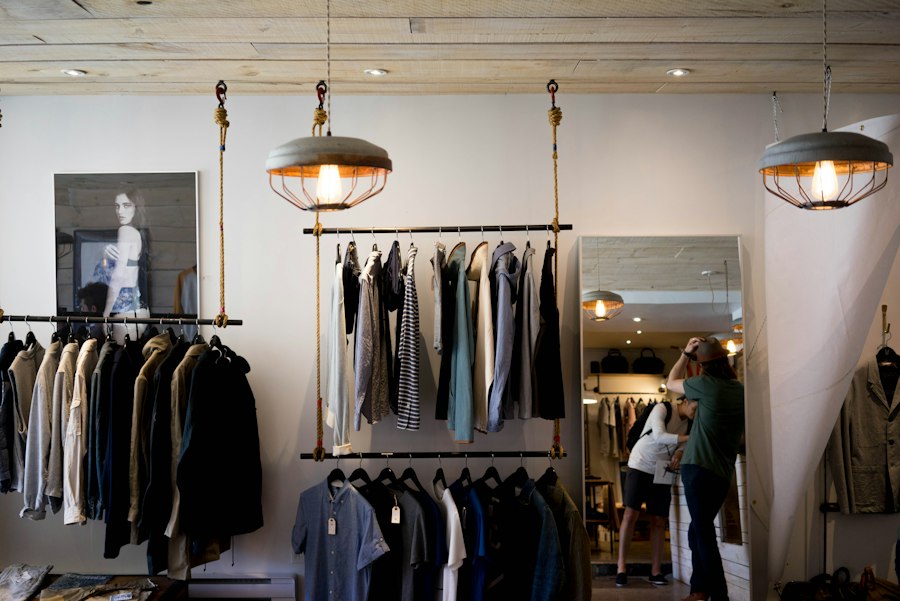
A single-product display forces focus and signals confidence in what you're selling.
✅ Pros
Shoppers know exactly what you're pushing. A focused display is easier to execute well and tends to photograph better for social media. It also positions the product as desirable rather than just one item among many.
⚠️ Cons
If the product doesn't visually hold its own, the display falls flat. Not every item warrants a solo window. It also means less opportunity to cross-merchandise related products that could drive a higher basket size.
💡 Best Practices
Use height variation, such as a pedestal or riser, to elevate the product literally and visually. Add a short piece of copy on a card or sign that explains why this item matters. Let the backdrop do the heavy lifting.
📌 Example
A shoe retailer places one new sneaker on a raised acrylic plinth, lit by a single overhead spot, against a clean white background with a three-word tagline. Clean, direct, effective.
Idea #3: The Interactive or "Touch Me" Display
Give people a reason to engage physically with the window. Whether it's a QR code, a hands-on element near the entrance, or a build-your-own concept, interaction creates memory.
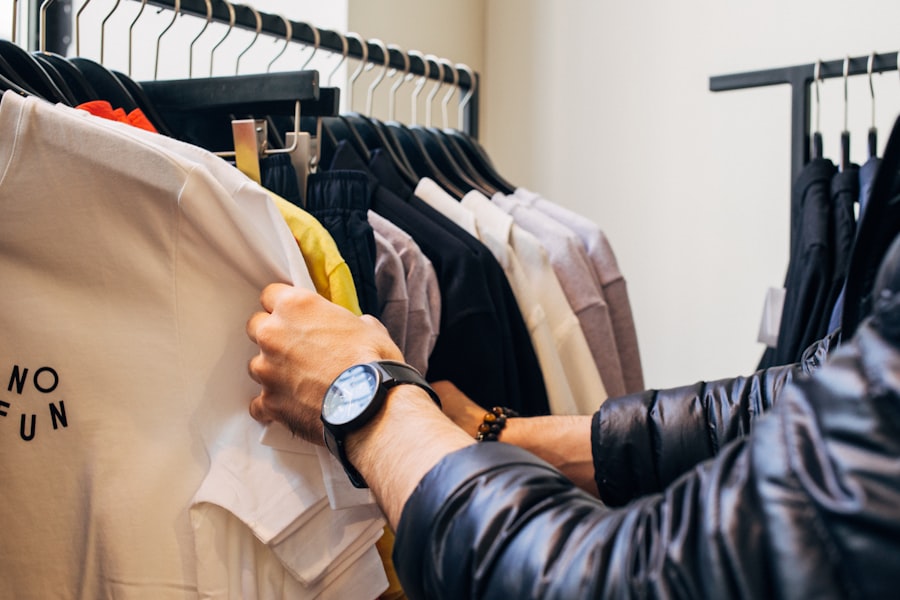
Interactive displays turn passive foot traffic into active engagement with your brand.
✅ Pros
People who interact with a display are more likely to enter the store. Interactive concepts also tend to get photographed and shared, extending the display's reach well beyond the street.
⚠️ Cons
Interactive elements require maintenance. Anything that breaks or stops working looks worse than nothing at all. They also tend to cost more to set up and may need staff attention throughout the day.
💡 Best Practices
Keep the interaction simple enough that anyone can figure it out in under five seconds. A QR code linking to a lookbook or a chalkboard where customers write something are low-tech but effective. Complexity works against you here.
📌 Example
A stationery shop places a large pegboard in the window where passersby can rearrange letter tiles to spell their own message. Foot traffic stops, engages, and photographs it regularly.
Idea #4: The Lifestyle or "Scene" Display
Rather than showing products in isolation, build a scene around how they get used. A living room, a kitchen table, a holiday setting. Customers buy into the life, not just the product.
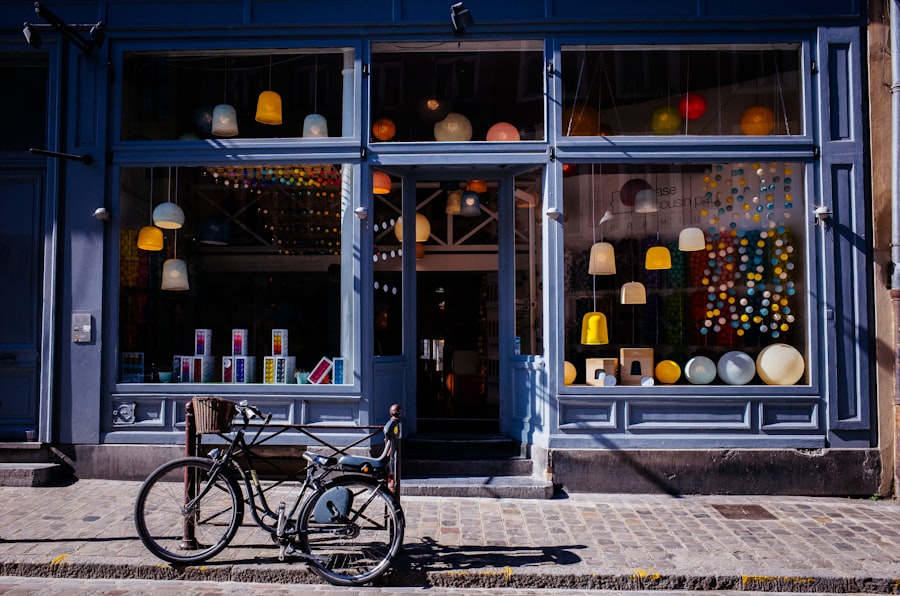
Lifestyle displays help customers visualise products in their own lives, which shortens the path to purchase.
✅ Pros
Aspirational scenes sell. When customers see a product in context, they can picture owning it far more easily. Lifestyle displays also allow cross-merchandising naturally, putting several products in view without feeling like a catalogue page.
⚠️ Cons
Styling a believable scene takes skill. A poorly arranged lifestyle display looks like a jumble sale. Prop sourcing can also get expensive if the scene requires furniture or large set pieces.
💡 Best Practices
Anchor the scene with one large furniture piece or prop, then layer products around it. Every item in the window should feel like it belongs to the same person or household. Consistency in style is what makes it believable.
📌 Example
A kitchenware store sets up a Sunday morning breakfast scene: a laid table, fresh flowers, coffee equipment, and linen napkins. Every item on display is available inside. The window does the selling.
Idea #5: The Monochrome or Colour-Block Display
Pick one colour and commit to it entirely. Products, props, background, and signage all in the same hue. It sounds simple and it is, but the visual impact from the street is hard to ignore.
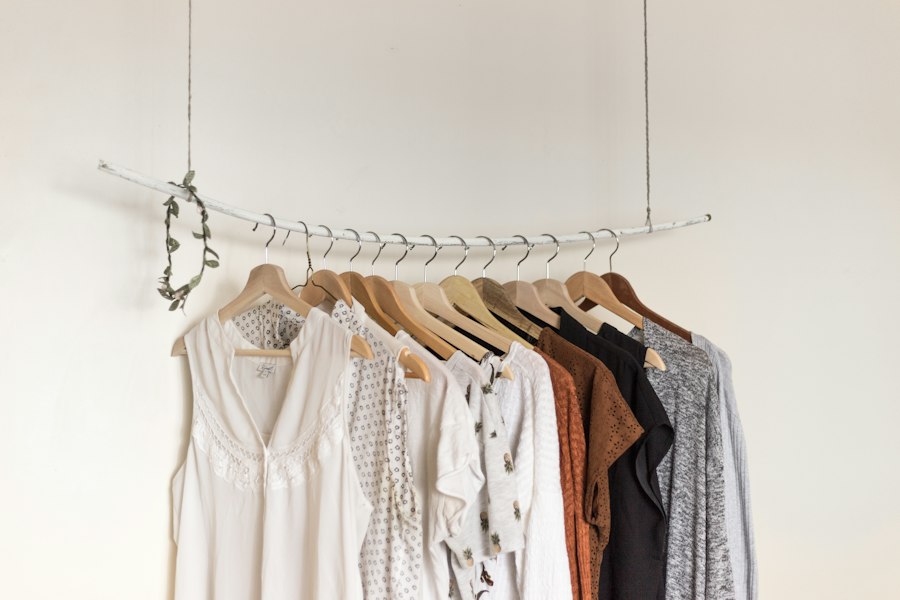
A colour-block display is one of the most visually striking formats, and one of the simplest to execute.
✅ Pros
Monochrome displays are bold and highly photogenic. They stand out on streets where most windows are visually busy. The concept is also easy to brief to a team member since the rule is clear: everything matches.
⚠️ Cons
Sourcing enough products and props in a single colour can be limiting depending on your inventory. It also works better for some categories, fashion and homewares in particular, than others like electronics or food.
💡 Best Practices
Use varying textures within the same colour to add depth. Flat, all-matte displays in one colour can look dull. Mix matte, gloss, fabric, and metal finishes in the same hue to keep the eye moving.
📌 Example
A fashion boutique builds an all-terracotta window for autumn: rust-toned garments, clay pots, dried pampas grass, and a sand-coloured mannequin base. Rich, cohesive, and immediately seasonal.
Idea #6: The "Behind the Scenes" or Process Display
Show how your products are made or curated. Expose the craft, the sourcing story, or the detail that sets your store apart. Transparency builds trust faster than any promotional sign.

Showing the process behind your products adds credibility and gives customers a reason to care.
✅ Pros
Process displays differentiate independent retailers from chain stores. They communicate craftsmanship and authenticity without needing a single word of copy. Customers who understand how something is made assign it more value.
⚠️ Cons
Not every retail category lends itself to a visible process. If your products are bought wholesale and resold with no meaningful story behind them, a behind-the-scenes concept can feel forced or dishonest.
💡 Best Practices
Use real tools, materials, or sketches rather than generic props. A jeweller displaying raw metal and molds alongside finished pieces tells an honest story. Authenticity is what makes the concept land. Understanding the different types of customers who walk past your store helps you decide how much story detail to include in the window.
📌 Example
A candle shop displays raw wax blocks, fragrance bottles, wicks, and moulds alongside finished candles in the window. A small handwritten card explains the process. Simple, honest, and compelling.
Idea #7: The Suspended or Floating Display
Hang products, props, or decorative elements from the ceiling of the window at varying heights. Movement, depth, and visual drama are built into the concept by default.
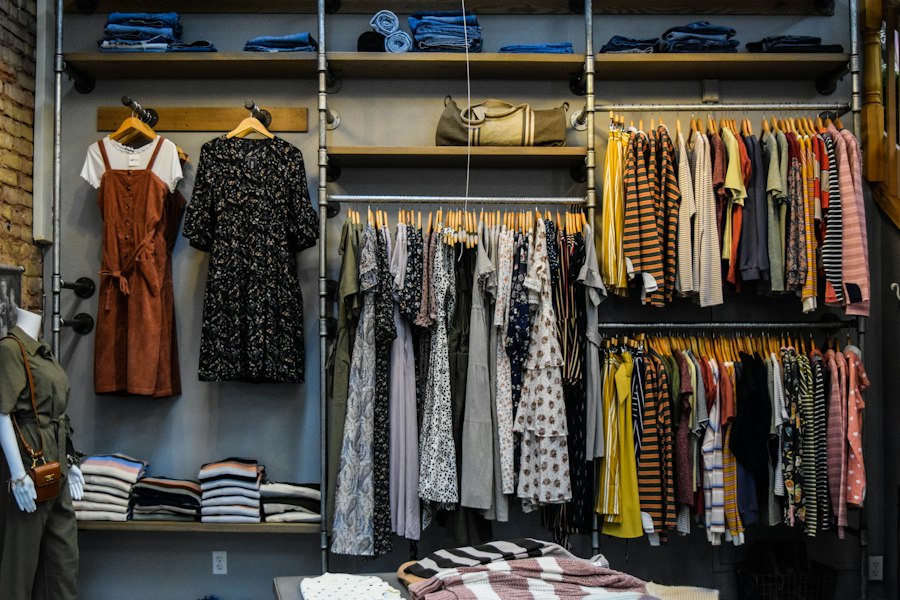
Suspended displays use vertical space that most retailers leave empty, and the results are hard to miss from the street.
✅ Pros
Floating displays use vertical space most retailers ignore. They create a sense of movement and drama that flat, surface-level arrangements can't match. Even simple hanging elements like paper shapes or product tags can transform a window completely.
⚠️ Cons
Installation requires rigging points and takes longer to set up and dismantle. If products are hung directly, there's a risk of damage. Heavier items need proper support structures and should be safety-checked before the window opens.
💡 Best Practices
Vary the hanging heights deliberately. Objects at the same level look static. Stagger them so the eye travels up, across, and down. Use fishing line for a cleaner floating effect when you want the product to appear suspended on its own. A well-organised store, down to the cash wrap area, reinforces the impression a striking window creates.
📌 Example
A jewellery store hangs necklaces at varying heights on near-invisible monofilament against a dark velvet backdrop. Each piece catches the light differently. The window looks expensive and editorial.
Idea #8: The Typography or Copy-Led Display
Lead with words instead of products. A bold statement, a question, or a short piece of copy becomes the visual anchor. Products support the message rather than the other way around.

When the copy is strong enough, it stops people before they've even registered what the store sells.
✅ Pros
Great copy is memorable. A well-written line in a window sticks in someone's head long after they've walked past. Copy-led displays also tend to perform well for stores with a strong brand voice, since they reinforce personality directly.
⚠️ Cons
Weak copy in a prominent position is worse than no copy at all. Generic phrases like "New In" or "Don't Miss Out" waste the opportunity. The concept only works when the writing is genuinely sharp and specific to the brand.
💡 Best Practices
Keep it short. Five words or fewer is a good target for the headline. Use a font size large enough to read from across the street, and use contrasting colours that don't require squinting. The copy should feel like the store is talking, not advertising. Knowing your retail marketing angle before writing window copy makes the messaging far more focused.
📌 Example
A bookshop places a single oversized sign in the window that reads: "Cheaper than therapy." Three books are stacked below it. Immediately the brand has personality, and passersby stop to look.
Idea #9: The Community or Local Pride Display
Feature local artists, neighbourhood themes, or community stories in the window. It positions the store as part of the area rather than just a business operating within it.
Community displays build loyalty that goes beyond the product. They turn a store into a neighbourhood fixture.
✅ Pros
Local displays generate goodwill and word of mouth. When a neighbourhood feels represented in your window, residents become advocates. Collaborating with local artists or makers also brings their audience to your door without paid advertising.
⚠️ Cons
The concept needs a genuine connection to the community. A forced or superficial nod to local culture reads as inauthentic and can backfire. It also requires outreach and coordination with external contributors, which takes time to manage.
💡 Best Practices
Partner with a local artist or school and give them real creative input. Feature their name prominently in the window. The store benefits from the collaboration, and the community feels genuinely involved. Knowing how to manage your retail store well includes recognising that community relationships are part of the operation, not an afterthought.
📌 Example
A gift shop invites a local illustrator to design the window installation for the holiday season. The artist's name is credited in the display. Both audiences merge, and store footfall increases noticeably during the period.
Window displays are one part of a larger retail operation. How well they work depends on how well everything else is running, too, from your store equipment setup to the systems new operators put in place when they first open a retail business. The window gets customers in. What happens inside determines whether they come back.
How to Measure the Success of Store Window Displays?
A window display that looks great but moves no product has failed. Here is what to track:
- Foot traffic vs. conversion rate: Count how many people enter versus how many buy. A spike in visits with flat sales points to a display that attracts but does not convert. Reviewing your retail metrics and KPIs regularly keeps that gap visible.
- Featured product sales: Track whether the items in the window actually sell faster after the display goes live.
- Inventory movement: A strong display should reduce slow-moving inventory on featured lines.
- ROI per display cycle: Use your retail inventory ROI metrics to compare display costs against revenue generated. A POS system like KORONA POS connects sales data directly to time periods, so you can see exactly what each display delivered.
Discover Advanced Analytics and Custom Reports
Speak with a product specialist and learn how KORONA POS can work for your business.
Schedule a DemoTry KORONA POS and Simplify Your Retail Management
KORONA POS is built for retailers who need more than a basic register. It's a strong fit for high-risk categories like liquor, vape, smoke, and tobacco, and works just as well for convenience stores, bakeries, and coffee shops.
The system is processor-agnostic, so you choose the payment processor that works best for your business.
PRO TIP!
KORONA POS also supports dual pricing and comes loaded with detailed sales and inventory reports that help you stay on top of what's selling and what isn't.
Ready to see it in action? Call us at 833-200-0213, book a demo, or start your unlimited free trial today. No commitment required.
FAQs: How To Design A Store Window Display
1. What is visual merchandise display?
Visual merchandising is a marketing practice that involves using floor plans, colors, lighting, displays, windows, technology, and other elements to attract customers' attention. Its ultimate goal is to use retail space to drive more sales by making a store stand out and appeal to customers.
2. How to design a shop window display?
A successful window display design is more than just selecting the right products to highlight. There are several design considerations that need careful attention to ensure your window displays are attractive, informative, and engaging. The focal point, optical balance, grouping styles, and depth all play an essential role in the overall appearance of your window displays.
3. What is a visual merchandising example?
Visual merchandising is the presentation of products to make them visually appealing and desirable. Elements such as themed window displays, clothed mannequins, the arrangement of running shoes on a wall, and fresh fruit arranged by color are all examples of visual merchandising.
4. Why is window display important?
Window displays are one of the most important aspects of store design and visual merchandising strategies. They have been shown to grab shoppers' attention and entice them to enter a store to explore the products and services there before making a purchase.